
The Ultimate Guide to Healthy Desserts
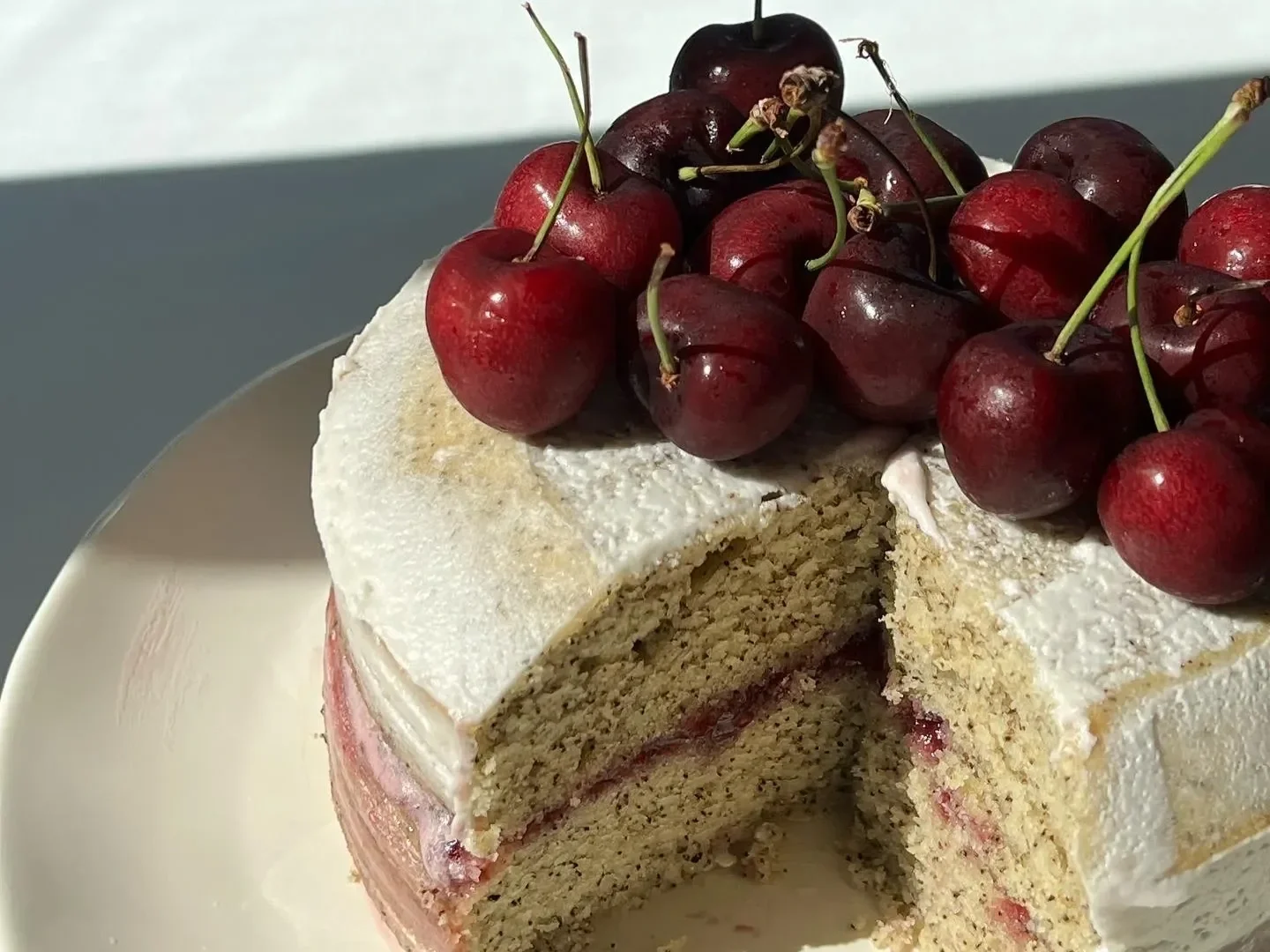
October is National Dessert Month, and as a dietitian with a perpetual sweet tooth, I am so excited to dive into this topic! You can absolutely fit dessert into a healthy lifestyle. It’s all about awareness, a few tricks, and of course, a balanced approach. So let’s get into the ultimate guide to healthy desserts!
How Much Sugar Should You Eat Daily?
When it comes to healthy baking, it’s important to know the facts about sugar. The truth is, the less added sugar we consume the better, since sugar does not provide us with any beneficial nutrients. We also know that eating too much can contribute to lifestyle diseases, like diabetes and heart disease.
It’s also important to note the difference between natural and added sugars. Sugar in foods like fruit, vegetables, and milk exists naturally alongside nutrients like fiber, water, and micronutrients. We don’t need to avoid these types of sugars.
According to the Dietary Guidelines for Americans, we should aim for:
Men: 150 calories from added sugar per day (37.5 grams or 9 teaspoons)
Women: 100 calories from added sugar per day (25 grams or 6 teaspoons)
However, Americans currently consume around 77 grams of sugar daily—over double the recommended amount!
How Much Sugar is in Popular Desserts?
When it comes to desserts, sugar content can vary dramatically, from 10g in a small cookie to over 100g in large restaurant portions. It’s essential to be mindful of these numbers and to make more informed choices. Here is the sugar content in popular desserts:
Small chocolate chip cookie: 10g sugar
Slice of vanilla cake: 20g sugar
Candy bar: 26g sugar
1 cup vanilla ice cream: 26g sugar
Restaurant desserts (AKA: Cheesecake Factory slice): Over 100g sugar per serving!!
How To Make Desserts Healthier?
Now that you know the facts on sugar, you may be thinking, “Well shoot, guess I can’t enjoy dessert anymore.” But fear not! We’re going to review everything you need to know about healthier baking in this post.
Opt for Healthier Dessert Choices
Look for store-bought dessert options with 10-15g of added sugar or less, made from natural ingredients, and offering added benefits like fiber or protein. Some great examples include:
Yasso Ice Cream
Healthier Baking Swaps
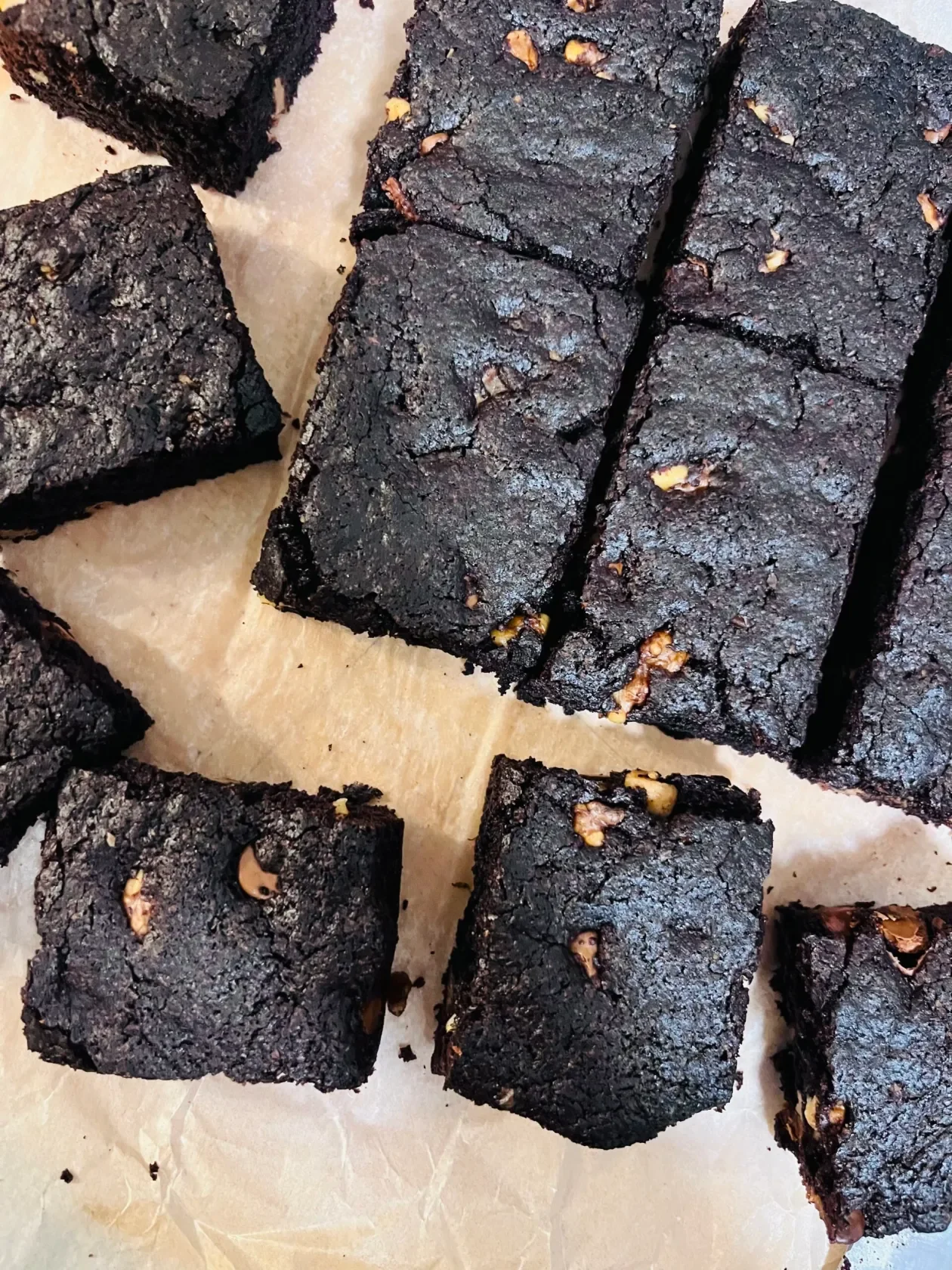
Baking at home gives you full control over what goes into your desserts. Try these tips to make your baked goods more nutritious without sacrificing flavor:
Lower sugar: Use natural zero-calorie sweeteners like stevia, monk fruit, allulose, or erythritol
Boost fiber: Swap in oat flour or add ingredients like flaxseed, chia seeds, or psyllium husk
Reduce calories: Use unsweetened applesauce or pumpkin puree in place of some of the oil or butter. Using the sweetener alternatives also helps with calories.
Enhance nutrition: Add dried fruit or nuts like cranberries and walnuts for extra texture and nutrients
Try Healthier Dessert Recipes
Need some other healthy dessert inspo? Check out these Dark Chocolate Almond Butter Cups or Low Sugar Lemon Cupcakes with Lemon Cream Cheese Frosting. For more ideas, explore websites like All Day I Dream About Food, Minimalist Baker, and Wholesome Yum for healthier baking inspiration!
Mindful Dessert Eating During the Holidays
The holidays usually mean lots of indulgent sweet treats, and they can definitely fit into a healthy lifestyle! Here’s how to strike a healthy balance:
Don’t Stress: Remember, holiday gatherings are just a few days out of the year. If you eat a little too much sugar one day, don’t sweat it too much, and remember it’s what you do most of the time that matters
Portion control: Enjoy your favorites, but just in smaller portions. I always enjoy a small slice of pecan pie on Thanksgiving. Even though desserts don’t provide much nutrition, they are a joyful tradition that’s good for the soul!
Mindful eating: Don’t forget to eat mindfully. Really savor whatever treat you’re enjoying, but pay attention to when it the dessert isn’t quite as delicious and you’re starting to feel full. That’s how you know you’ve had enough. You don’t always have to clean your dessert plate if you don’t want to!
I am a participant in the Amazon Services LLC Associates Program, an affiliate advertising program designed to provide a means to earn fees by linking to Amazon.com and affiliated sites. I only recommend products I personally use and love!
